






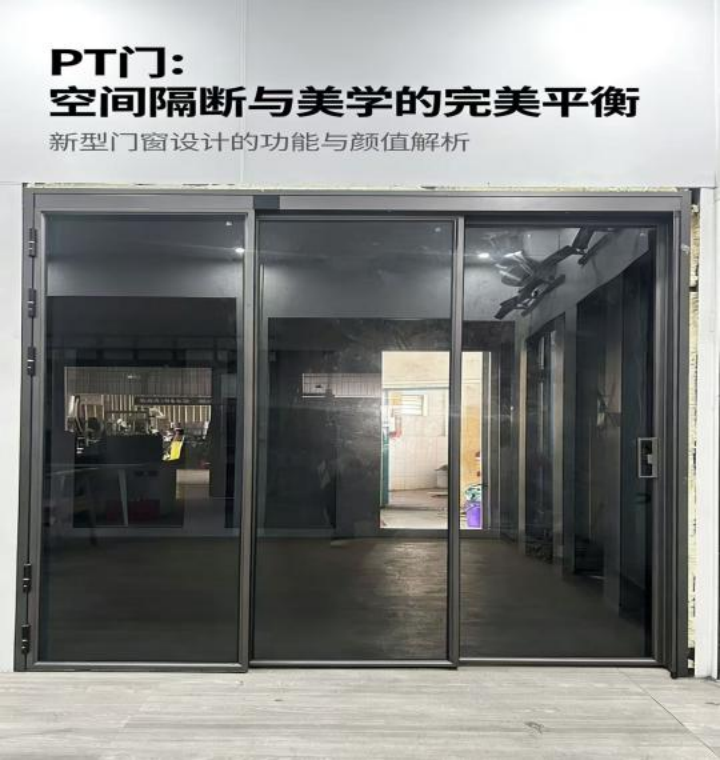
В эпоху, когда компактные жилые пространства и открытая планировка стали нормой, присущие традиционным дверям недостатки — такие как занимаемое пространство распашными дверями, ограниченная ширина проема раздвижных дверей и сложности с чисткой напольных направляющих — долгое время представляли собой серьезную проблему как в дизайне жилых, так и коммерческих интерьеров. И тут на помощь приходит дверь PT: единое целое, органично сочетающее в себе двойную функциональность распашных и раздвижных дверей. Благодаря инновационной конструкции и универсальности, дверь PT быстро стала хитом в дверной и оконной индустрии, коренным образом изменив логику пространственного зонирования.
I. Что такое дверь PT? Инновационная конструкция «два в одном».
Дверь PT (также часто называемая дверью PD), зародившаяся в Сингапуре, представляет собой новый тип перегородочной двери, сочетающий в себе явные преимущества как распашных, так и раздвижных дверей. Ее основной механизм основан на несущей верхней направляющей системе в сочетании с боковой шарнирной передачей. Это позволяет дверному полотну сначала скользить и складываться само на себя, а затем поворачиваться наружу — в диапазоне от 90° до 180° — и плотно прилегать к прилегающей стене, полностью преодолевая функциональные ограничения, присущие традиционным конструкциям дверей.
В отличие от однофункциональных дверей и окон, дверь PT не требует компромиссов в отношении эффективности использования пространства или визуальной открытости. Она экономит пространство для распашной двери, подобно раздвижной, и при этом позволяет полностью открыть дверной проем — как распашная дверь. Благодаря идеальному балансу между практичностью и гибкостью, она заслужила в отрасли прозвище «Трансформатор дверей».
II. Основные преимущества: Решение трех главных проблем традиционных дверей
Бесшовное напольное покрытие: двойное улучшение в плане чистоты и безопасности.
Благодаря отсутствию традиционных утопленных направляющих в полу, конструкция создает абсолютно безбарьерную поверхность пола без щелей, в которых скапливается пыль. Швабры и роботы-пылесосы могут беспрепятственно перемещаться по этой зоне, положив конец давним проблемам, связанным с засорением направляющих и необходимостью трудоемкой уборки. Одновременно эта конструкция устраняет опасность спотыкания, обеспечивая более безопасное передвижение для пожилых людей, детей и пользователей инвалидных колясок, что делает ее идеально подходящей для использования в любых условиях.
Полностью открывающийся дверной проем: максимальное использование пространства.
В то время как традиционные раздвижные двери обычно допускают максимальный проем всего в 501 TP3T ширины дверного проема, дверь PT обеспечивает полный проем в 1001 TP3T. Это устраняет необходимость протискиваться вбок или неудобно маневрировать при перемещении крупных предметов, таких как холодильники, стиральные машины или мебель, гарантируя, что даже в компактных квартирах или узких дверных проемах можно пользоваться удобством широкого, беспрепятственного прохода. Независимо от того, оптимизируете ли вы поток движения в жилом доме или регулируете пешеходное движение в коммерческом помещении, дверь PT предлагает идеально подходящее решение. Превосходная герметизация и звукоизоляция + высокая прочность: максимальная производительность
Благодаря герметичной раме с четырех сторон, двухслойному уплотнителю и магнитному замку, эта система обеспечивает защиту от дыма, шума и пыли, значительно превосходящую стандартные раздвижные двери. Основная конструкция выполнена из титано-магниево-алюминиевого сплава, в сочетании с возможностью установки полого или многослойного стекла. Обладая высокой влагостойкостью и устойчивостью к деформации, она подходит для длительного использования даже во влажных прибрежных регионах или в помещениях с высокой влажностью, таких как кухни и ванные комнаты, и имеет срок службы более 15 лет.
III. Универсальное применение: универсальная перегородка для жилых и коммерческих помещений
Жилые помещения
Кухня: Закрывайте дверь во время приготовления пищи, чтобы блокировать дым и испарения; полностью открывайте ее в свободное время, чтобы она органично интегрировалась с гостиной и столовой зонами, обеспечивая баланс между естественным освещением и функциональным разделением пространства.
Балкон: Обеспечивает максимальную вентиляцию и создает плавный переход между внутренним и внешним пространством; минималистичный дизайн рамы подчеркивает эстетическую привлекательность вашего домашнего интерьера.
Ванная комната / Гардеробная: Идеально подходит для небольших помещений, предотвращает столкновения с сантехникой и сохраняет свободное пространство для открывания, необходимое для распашных дверей, — баланс между приватностью и практичностью.
Перегородка для кабинета/гостиной: гибко разделите пространство, создавая открытую, просторную атмосферу в открытом состоянии и тихое, уединенное место в закрытом.
Коммерческие настройки
Офисные помещения: Гибкое разделение конференц-залов и рабочих мест открытой планировки, позволяющее быстро переключаться между открытыми зонами для совместной работы и приватными рабочими режимами.
Для предприятий общественного питания: Создайте временные отдельные обеденные залы, которые можно открывать или закрывать по желанию, повышая эффективность обслуживания за столиками и обеспечивая приятную атмосферу благодаря превосходной звукоизоляции и герметизации.
Выставочные залы / Розничные магазины: Стеклянные дверные панели визуально расширяют пространство, а широкие проемы обеспечивают беспрепятственный поток покупателей и товаров — идеально подходит для помещений с высокой проходимостью и интенсивным использованием.
IV. Тенденции в отрасли: в 2026 году ожидается взрывной рост производства дверей из искусственной древесины.
Согласно данным из «Белой книги развития китайской индустрии межкомнатных дверей 2025 года» (*), на долю межкомнатных дверей из сплавов в настоящее время приходится 321 тыс. тонн на внутреннем рынке. В этом сегменте рыночный спрос на двери из легированной стали растет ежегодно до 271 тыс. тонн, что делает их ключевым двигателем роста в более широком секторе дверей и окон.
В 2026 году ожидается, что продукция из предварительно обработанных железобетонных дверей будет постоянно совершенствоваться и модернизироваться: ультратонкие конструкции рам станут основным эстетическим решением, предлагая более минималистичный внешний вид; функции безопасности, такие как механизмы плавного закрывания и защита от защемления, станут стандартными, что сделает продукцию более удобной в использовании; а многосвязные дверные системы и версии с интеллектуальными датчиками постепенно выйдут на рынок, успешно сочетая эстетическую элегантность с передовыми технологиями. От компактных домов для начинающих до элитных вилл, от ремонта жилых помещений до коммерческой отделки — сфера применения предварительно обработанных железобетонных дверей продолжает расширяться, утверждая их в качестве стандартного выбора в современном дизайне пространства.
V. Советы по покупке: три ключевых момента, которых следует избегать.
Выбирайте конструкцию с верхним креплением направляющих и несущей конструкцией; откажитесь от некачественной фурнитуры, чтобы обеспечить плавное скольжение и стабильное качание.
Для обеспечения долговечности и превосходной звукоизоляции отдавайте приоритет профилям из титано-магниево-алюминиевого сплава в сочетании с уплотнительными лентами автомобильного класса.
Выбирайте проверенные бренды и уделяйте особое внимание установке и послепродажной поддержке, чтобы избежать проблем, таких как нестандартные размеры или некачественные компоненты, которые могут ухудшить пользовательский опыт.
Заключение
Эволюция от однофункциональных устройств к многоцелевым решениям — и переход от подхода, ориентированного на функциональность, к подходу, сочетающему эстетику и производительность — рост популярности дверей, изготовленных из обработанной древесины, является неизбежным результатом адаптации дверной и оконной промышленности к требованиям современных помещений. Они не только решают проблемы, связанные с традиционными дверями и окнами, но и переосмысливают возможности пространственного зонирования, обеспечивая более гибкое, комфортное и эстетически привлекательное пространство как в жилых, так и в коммерческих помещениях.
В перспективе, по мере дальнейшего развития технологий и роста популярности на рынке, двери из обработанной древесины готовы стать предпочтительным решением для зонирования пространства для все более широкой аудитории, открывая для дверной и оконной индустрии новую эру, характеризующуюся многофункциональностью, исключительной эстетикой и ориентированным на пользователя дизайном.